Physical Security & Monitoring
Integrated Security Operations Centers (ISOC)
Protecting Substations Against Animal Invaders
Physical Security & Monitoring
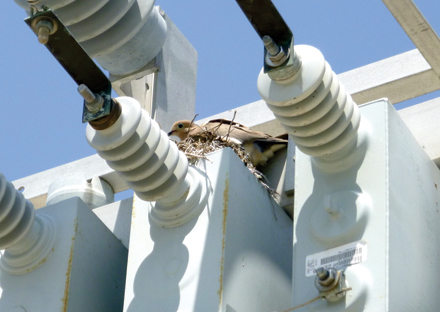
The Fight Against Animal-Caused Power Outages

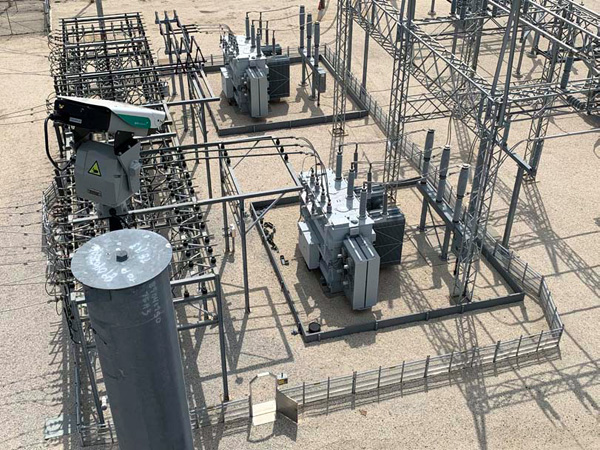
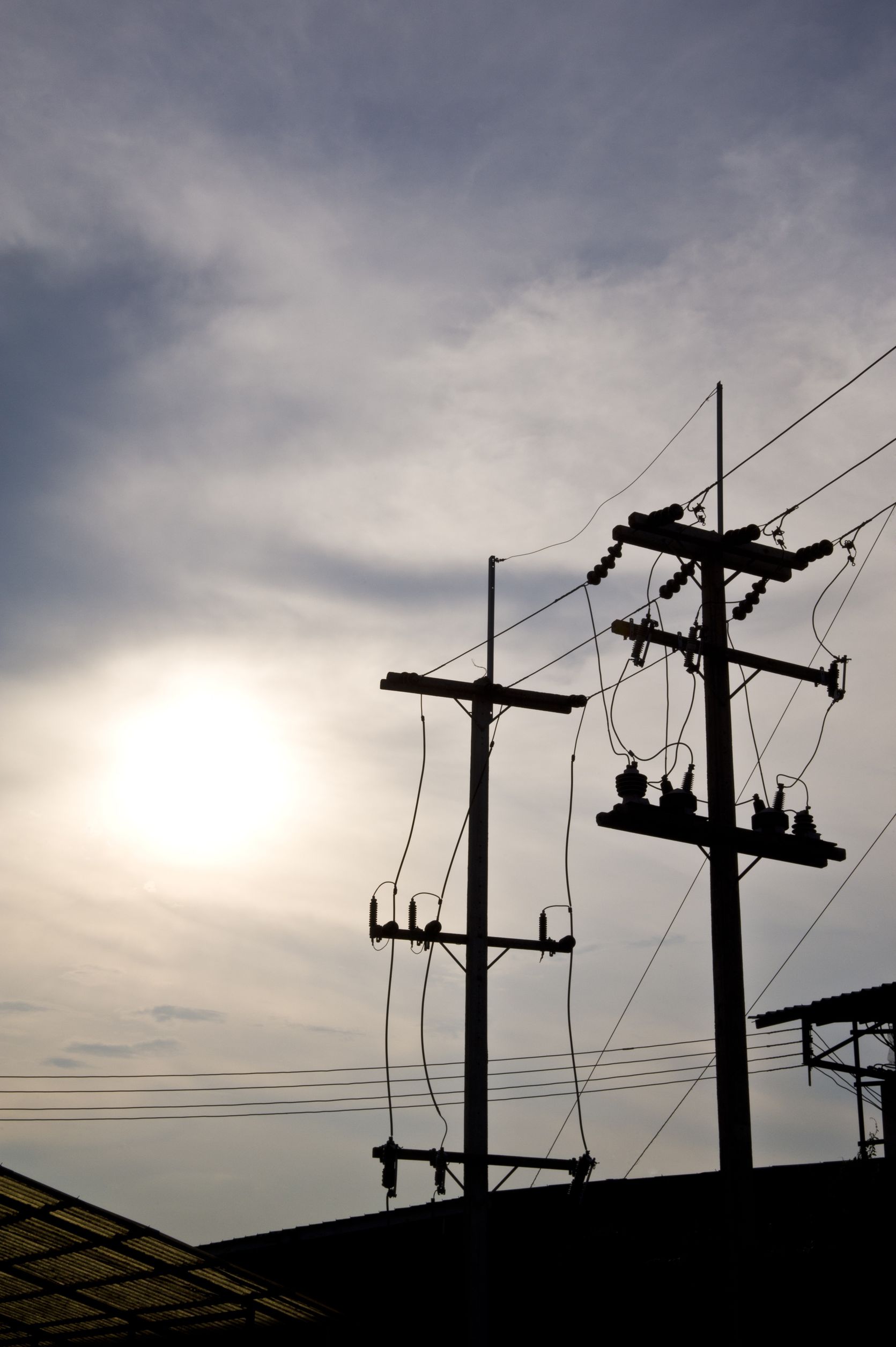
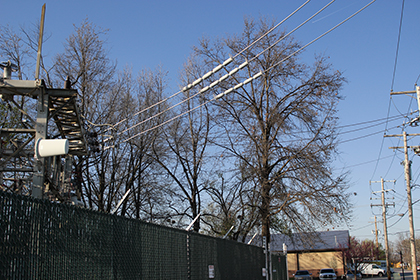
Every day across North America, animals enter electrical substations in search of warmth, food, shelter, or simply out of curiosity. What often begins as routine wildlife behaviour can escalate quickly into serious grid reliability issues. In many service territories, wildlife intrusion is now the leading cause of unplanned outages, surpassing storms, vegetation contact, and equipment failure. According to data cited by the American Public Power Association, animal-related incidents account for more outages than any...
Related Articles
Protecting Substations Against Animal Invaders
A closer look at animal-caused outages at substations BY BILL REICHARD, TransGard Systems Every year, squirrels, raccoons, snakes, and other climbing animals cause substation outages across North America. According to a 2010 University of Minnesota study, the resulting estimated cost to electric...
Deterrence Drives Next Gen Security
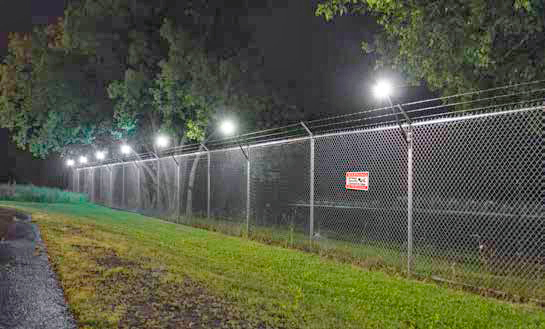
Theft, destruction, disablement, vandalism, and terrorism: any of the aforementioned words receive the attention of organizations with susceptible critical assets. Physical security and its costs, benefits, and risks are becoming more important as each day passes. Important, not only from a safety...
The Fight Against Animal-Caused Substation Outages
Every day across the country, animals enter substations for warmth, food, security, or simply out of curiosity. In many areas, wildlife intruding into power equipment has become the leading cause of outages – even more common than storms or vegetation. A single substation outage can cost tens...
FERC Rejects PJM Transmission Planning Change

The Federal Energy Regulatory Commission (FERC) has rejected a proposal from PJM Interconnection, one of the United States' largest regional transmission organizations, to alter its transmission planning protocol. The decision represents a significant victory for state regulators who had expressed...
FERC Complaint Targets Duke, PJM Transmission Planning
A coalition of large energy consumers and ratepayer advocates has filed a complaint with the Federal Energy Regulatory Commission (FERC), urging the agency to prohibit transmission owners from independently planning "local" transmission projects exceeding 100 kilovolts (kV). The coalition argues...
FERC Rejects PJM Transmission Planning Change
The Federal Energy Regulatory Commission (FERC) has rejected a proposal from PJM Interconnection, one of the United States' largest regional transmission organizations, to alter its transmission planning protocol. The decision represents a significant victory for state regulators who had expressed...
FERC Conference Highlights Challenges in Resource Adequacy
The Federal Energy Regulatory Commission (FERC) recently hosted the Co-Located Load Conference, a significant event that focused on resource adequacy, energy reliability, and the challenges of ensuring sufficient electricity supply amidst changing grid dynamics. As the energy landscape continues to...
FERC Approves Interconnection for Talen Energy, Amazon Data Center

In a significant move that underscores the growing demand for reliable and sustainable energy to power the expanding digital infrastructure, the Federal Energy Regulatory Commission (FERC) has approved an interconnection agreement between Talen Energy, Amazon Web Services (AWS), and Exelon. This...
Digital Twins for Substations: Bridging the Physical and Digital Worlds
In the rapidly evolving landscape of power grid management, digital twin technology is emerging as a game-changer for substations. By creating virtual replicas of physical assets, digital twins bridge the gap between the physical and digital worlds, enabling enhanced operational efficiency and...
Three Serious Questions to Ask Now About Condition Monitoring
While condition monitoring is becoming an integral part of daily power grid operations, there’s a huge difference between simply checking on assets and truly proactive intervention. When a ‘check engine’ light goes on in a car, taking the directive literally and opening the...