Growth & Innovation
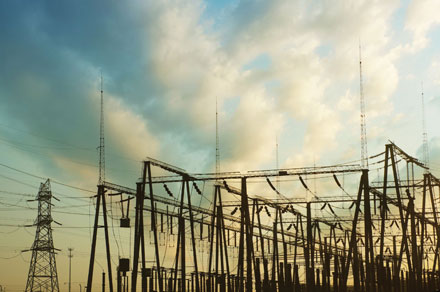
Pathways Initiative Proposes Regional Organization to Oversee Western Power Markets
Test Your Knowledge About Smart Grid!
Think you know Smart Grid? Take our quick, interactive quiz and test your knowledge in minutes.
- Instantly see your results and score
- Identify strengths and areas for improvement
- Challenge yourself on real-world electrical topics
Latest Electrical Industry News
Reducing Alaska’s Prison Population as a Climate Strategy
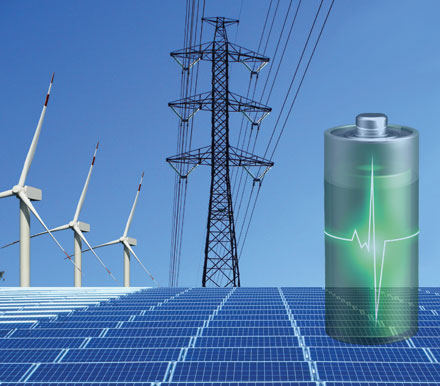
Duke Energy Florida Adds 300 MW with Four New Solar Projects
Grids Become Highly Vulnerable

FROM SMART GRID TO NEURAL GRID

FERC Approves Interconnection for Talen Energy, Amazon Data Center
Winter Is Upon Us... Are Your UPS and Batteries Ready?
Why Net-Zero is Cheaper for the UK
T&D Buyer's Guide




Growth & Innovation Articles
FERC Rejects PJM Transmission Planning Change
FBI Warns of Cyber Risks as Renewable Energy Grows

Duke Energy Approved to Deploy New Power Generation in NC
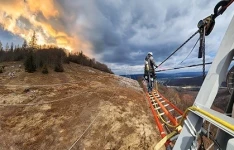
Since 1952 Tallman has been Setting the Standard for Linemen

DOE Grants $2.2B for Transmission and Storage Projects
FREE EF Electrical Training Catalog
Download our FREE Electrical Training Catalog and explore a full range of expert-led electrical training courses.

- Live online and in-person courses available
- Real-time instruction with Q&A from industry experts
- Flexible scheduling for your convenience
Sign Up for Electricity Forum’s Newsletter
Stay informed with our FREE Newsletter — get the latest news, breakthrough technologies, and expert insights, delivered straight to your inbox.
Related Courses

Expert Electrical Training That Builds Skills
The Electricity Forum Training Institute provides expert-led electrical training for professionals across North America. We deliver live online and in-person courses year-round, taught by certified instructors. Our training helps ensure electrical safety, code compliance, and technical excellence for utilities, industries, contractors, and engineers in both the U.S. and Canada.