
Electricity Forum Intelligent Power Today Magazine Arc Flash Clothing

Climate Change News


First Ice-Free Arctic Day Could Come Before 2030

The Arctic is undergoing rapid changes, and a new study suggests that the first ice-free day in the Arctic Ocean may come sooner than previously expected—before 2030. This alarming possibility underscores the accelerated pace of climate change and its potential to significantly alter the...

Climate Change Fuels Heatwaves, Droughts, Wildfires, and Floods

Climate change is increasingly recognized as a primary driver of extreme weather events, exacerbating heatwaves, droughts, wildfires, and floods around the world. As the planet warms due to human activities, particularly the burning of fossil fuels, the natural balance of the climate is disrupted,...

Utility News


The End of the Road for Transmission Incentives

In a significant shift, the Federal Energy Regulatory Commission (FERC) has decided to abandon its transmission incentives policy, particularly the construction work in progress (CWIP) incentives. This decision marks a pivotal change in how transmission projects are financed and regulated,...

The Rise of the First National Green Bank in the U.S.

The recent launch of the Coalition for Green Capital's (CGC) first national green bank marks a significant milestone in the United States' climate strategy. This development, announced in a Utility Dive article, underscores a pivotal shift towards streamlined, scalable financing for green...

Electric Transportation News


Whales Helping Uncover Climate Change Secrets

Whales, the majestic giants of the ocean, have long captivated human imagination. Beyond their grandeur, these marine mammals are now providing scientists with invaluable insights into climate change, offering a unique perspective on the health of our planet. Whales as Climate Change...

Industry News & Trends

magazine_jul_aug_2023_article_1

Application of Symmetric Conditions in the Simulation of High Voltage Power Transmission Models

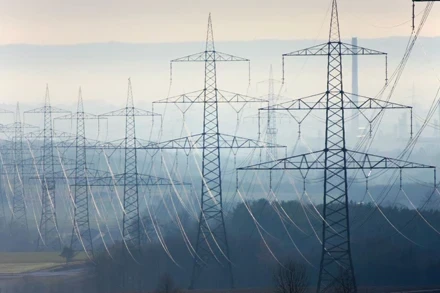
The height of the power transmitting towers is usually in the range of 10m to 40m and the separation between two consecutive towers is about 200m to 400m. In addition, the area of the ground that needs to be considered in the simulation is large. Therefore, Finite Element Method (FEM) is not suitable for simulation of this application. Whereas Boundary Element Method (BEM) is best suited for these open region problems. This paper refers to...

Industry News & Trends Articles