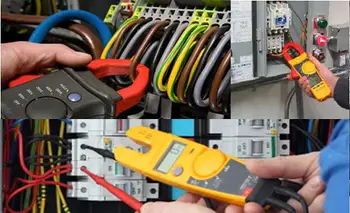

Data Analytics
Advanced Sensor Technologies for Intelligent Transformers and Substations
Advancements in Electricity Metering
Data Analytics
The Intelligent City of Tomorrow
The term “smart city” is becoming increasingly common, especially in the public services sector. Cities of all sizes have interdependent systems, from electricity, water, and gas utilities to transportation systems to municipal lighting systems.
City officials are discovering how to leverage and apply certain technology to systems such as utilities and public service departments. However, more importantly, officials are beginning to understand technology’s numerous benefits to the city’s operations and citizenry.
Consider a city...
Related Articles
Advancements in Electricity Metering
Taking metering technologies to the next level BY BRIAN SEAL, Electric Power Research Institute Between 2004 and 2009, the production of traditional electromechanical electricity meters in the U.S. was gradually shutdown in the wake of the successful introduction of solid-state electronic meters....
Designing Successful AMI Implementations with Data Analytics
How to design successful AMI implementations with data analytics BY KEVIN CORNISH & ROB YOUNG, Black & Veatch Electric utilities embarked on their smart meter programs envisioning the delivery of quantifiable benefits as well as strategic value. Initial business cases were developed to...
Data Analytics for Theft Detection
Utility profile: ComEd uses data analytics for theft detection The Commonwealth Edison Company, better known as ComEd and one of the U.S.’s largest electric utilities, has been using a variety of tools and data analytics to help identify theft leads and unmetered current. With the onset of...
Real-time Monitoring is Key to Reducing Energy Consumption
Empowering utilities to assist their customers BY TIM VAN SLAMBROUCK, DENT Instruments Energy utilities and consumers alike can benefit from continuous monitoring of energy usage, because monitoring is the key to identifying areas where consumption can be reduced, and significant cost savings can...
Smart Substations and Their Role in the Evolving Smart Grid
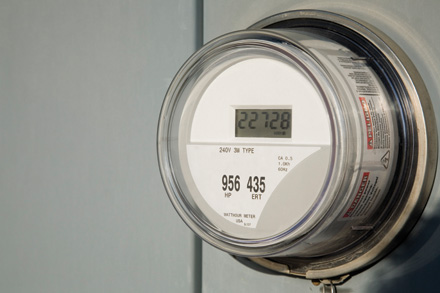
The power industry is undergoing a profound transformation driven by grid modernization, renewable integration, and increasing demands for resilience and efficiency. At the heart of this evolution lies the smart substation—a next-generation facility equipped with advanced sensors, digital...
FERC Reviews PJM Colocation Rules for Data Centers and Large Energy Loads
The Federal Energy Regulatory Commission (FERC) has launched a review of the rules surrounding the colocation of large energy consumers, such as data centers, with power plants within the PJM Interconnection region. This review follows concerns raised by stakeholders, including major energy...
FERC Complaint Targets Duke, PJM Transmission Planning
A coalition of large energy consumers and ratepayer advocates has filed a complaint with the Federal Energy Regulatory Commission (FERC), urging the agency to prohibit transmission owners from independently planning "local" transmission projects exceeding 100 kilovolts (kV). The coalition argues...
Virtual Power Plants (Vpp) And Smart Grids: Integrating Renewable Energy For A Sustainable Future
The rapid shift toward renewable energy resources (RERs) has placed significant demands on traditional power systems. To address these challenges, modern energy infrastructure is evolving into smart grids, leveraging advanced technologies like Virtual Power Plants (VPPs) to enhance grid...
The Role of Renewable Energy in the Smart Grid: Transforming Power Generation, Transmission, and Distribution

The integration of renewable energy sources (RES) into smart grid systems represents a fundamental shift in how energy is generated, managed, and consumed. This transformation is vital for modernizing energy infrastructure, enhancing grid reliability, and fostering sustainability. The shift from a...
FERC Rejects PJM Transmission Planning Change
The Federal Energy Regulatory Commission (FERC) has rejected a proposal from PJM Interconnection, one of the United States' largest regional transmission organizations, to alter its transmission planning protocol. The decision represents a significant victory for state regulators who had expressed...