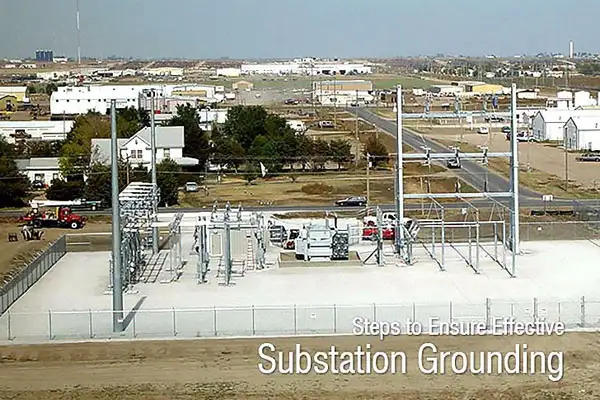
Distribution Automation
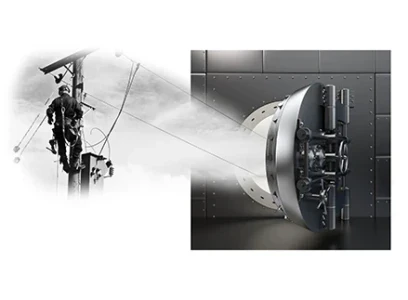
Grids Become Highly Vulnerable
Optimizing Enterprise with Analytics
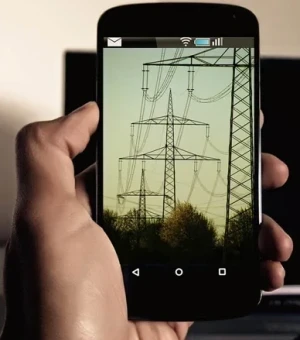
Distribution Automation
Writing Smart Grid Requirements
Managing change with positive thinking to make the most of investments
BY JOHN MCDONALD, IEEE Senior Member, GE Energy Management - Digital Energy
The process of writing requirements for Smart Grid-related technology purchases may appear simple and straightforward. It is not. As the technology itself has changed, the process of purchasing and implementing it has changed as well. The adoption of new, digital technologies, in turn, can and should drive organizational and business process change...
Related Articles
Optimizing Enterprise with Analytics
How utilities can become data-driven organizations As industry challenges continue to grow, the pressure on utilities to optimize their operations has never been stronger. From amplified pressure to manage customer relationships more effectively to the ever-present need to cut operational costs,...
BIG DATA ADVANTAGES
Currently, modern electric utilities are facing an avalanche of new data. Each new system deployed presents a tremendous amount of information that can provide great value to the utility. Unfortunately, the tools available to work with this information are often rudimentary and create difficulties...
Wireless Networks and Substation Automation
Fitting wireless networks into substation automation applications BY ADAM GUGLIELMO, ABB Tropos Wireless Communication Systems As with all Smart Grid applications, two-way communication is foundational to substation automation. To enable monitoring and control, substation computers, as well as...
Critical Infrastructure Communications
Using technology to improve response and recovery BY TOM BERGER, Mutualink The electric utility industry has an outstanding performance record of providing reliable power to public agencies, private enterprises, and the general public for over 100 years. However, when outages occur due to...
FERC Complaint Targets Duke, PJM Transmission Planning
A coalition of large energy consumers and ratepayer advocates has filed a complaint with the Federal Energy Regulatory Commission (FERC), urging the agency to prohibit transmission owners from independently planning "local" transmission projects exceeding 100 kilovolts (kV). The coalition argues...
FERC Approves Interconnection for Talen Energy, Amazon Data Center
In a significant move that underscores the growing demand for reliable and sustainable energy to power the expanding digital infrastructure, the Federal Energy Regulatory Commission (FERC) has approved an interconnection agreement between Talen Energy, Amazon Web Services (AWS), and Exelon. This...
Smart Transformers: Enhancing Grid Efficiency and Reliability

The evolving demands of modern power grids necessitate the adoption of advanced technologies that can provide enhanced efficiency, reliability, and flexibility. Smart transformers are at the forefront of this technological revolution, offering a range of capabilities that significantly improve the...
How Much DER Fits?
The electric power industry is increasingly having to evaluate the growing penetration of distributed energy resources (DER). New sets of challenges exist for planning and operating the grid, especially with the distribution systems in which these new resources must be integrated. Now electric...
Smart Utility Distribution Automation Training
Increasing the hosting capacity of distributed generation in power distribution systems is identified as key low-carbon solution to help meet the aggressive greenhouse gas emission reduction targets in the energy sector. The deployment of distributed generation technologies is creating a paradigm...
FROM SMART GRID TO NEURAL GRID
NEURAL GRID TAKES SMART GRID INTO THE CLOUD The Neural Grid represents more than Smart Grid v2.0—much more. Today, the smart grid implies the legacy mechanical power transmission and distribution (T&D) networks enhanced by pockets of automation, connectivity, and centralized IT systems. The...