Automation

Climate Change Strains Global Electricity Networks: A Wake-Up Call
Test Your Knowledge About Smart Grid!
Think you know Smart Grid? Take our quick, interactive quiz and test your knowledge in minutes.
- Instantly see your results and score
- Identify strengths and areas for improvement
- Challenge yourself on real-world electrical topics
Latest Electrical Industry News
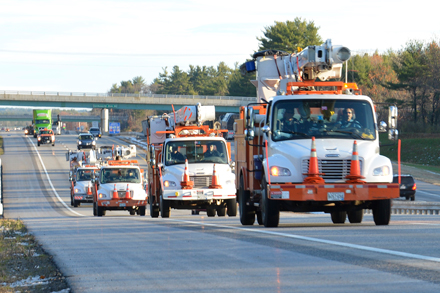
How to Improve Crew Management
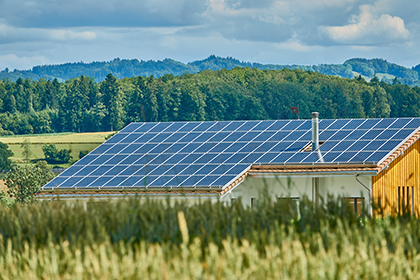
How Much DER Fits?
FERC Conference Highlights Challenges in Resource Adequacy
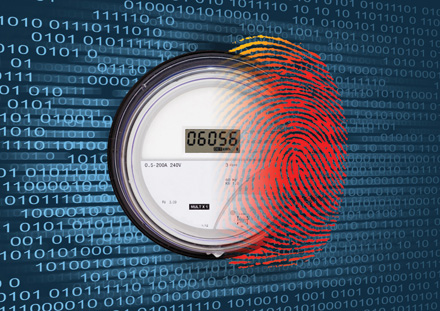
Using Data Analytics for Theft and Revenue Protection
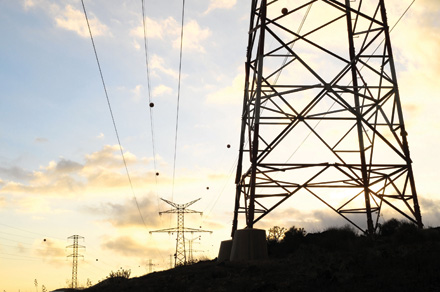
Energy Storage for Grid Security and Modernization
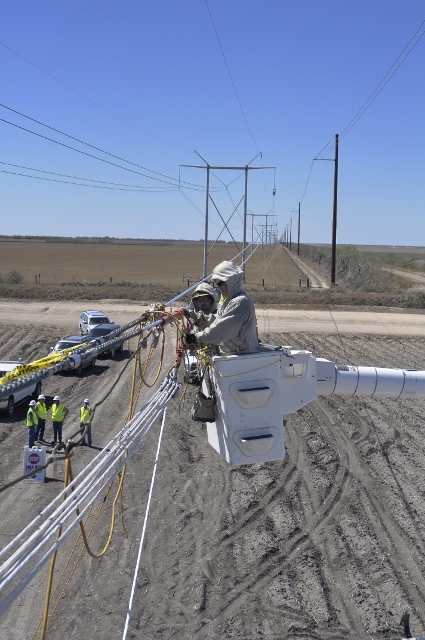
Power Grid Congestion

Deterministic Communications for Protection: TSN + Private 5G from the Yard to the Control Room
T&D Buyer's Guide


Automation Articles
Deterministic Communications for Protection: TSN + Private 5G from the Yard to the Control Room
Wireless Technology for Electric Utilities
Protecting Smart Grid Electronics

Making the World More Sustainable

The Grid of Things
FREE EF Electrical Training Catalog
Download our FREE Electrical Training Catalog and explore a full range of expert-led electrical training courses.

- Live online and in-person courses available
- Real-time instruction with Q&A from industry experts
- Flexible scheduling for your convenience
Sign Up for Electricity Forum’s Newsletter
Stay informed with our FREE Newsletter — get the latest news, breakthrough technologies, and expert insights, delivered straight to your inbox.
Related Courses

Expert Electrical Training That Builds Skills
The Electricity Forum Training Institute provides expert-led electrical training for professionals across North America. We deliver live online and in-person courses year-round, taught by certified instructors. Our training helps ensure electrical safety, code compliance, and technical excellence for utilities, industries, contractors, and engineers in both the U.S. and Canada.